
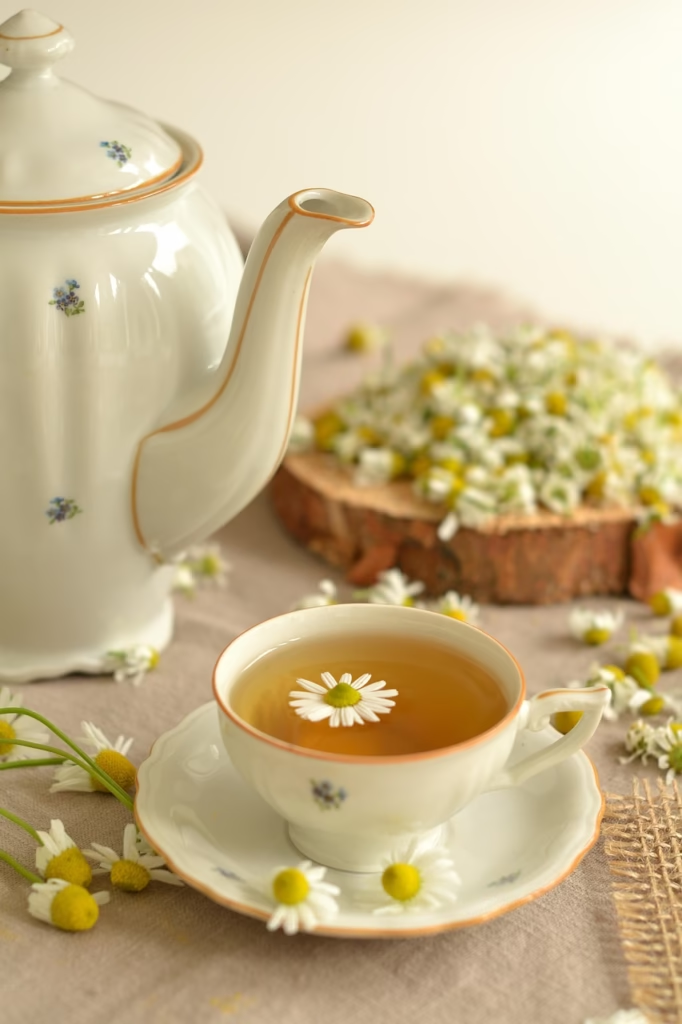
Jasmine—just the name evokes images of moonlit gardens, intoxicating fragrance, and serene moments. For centuries, this delicate white flower has captivated cultures worldwide, not just for its exquisite beauty but for its profound healing properties. At Tea Essence Hub, we believe true wellness emerges when we harmonize traditional wisdom with modern understanding. Today, we embark on a deep exploration of jasmine in two of its most potent forms: the soothing cup of jasmine tea and the concentrated essence of jasmine essential oil.
This comprehensive guide will take you through the rich history, scientific benefits, practical applications, and synergistic uses of jasmine. Whether you’re seeking stress relief, emotional balance, or simply a moment of sensory delight, understanding jasmine’s dual gifts can transform your approach to self-care.
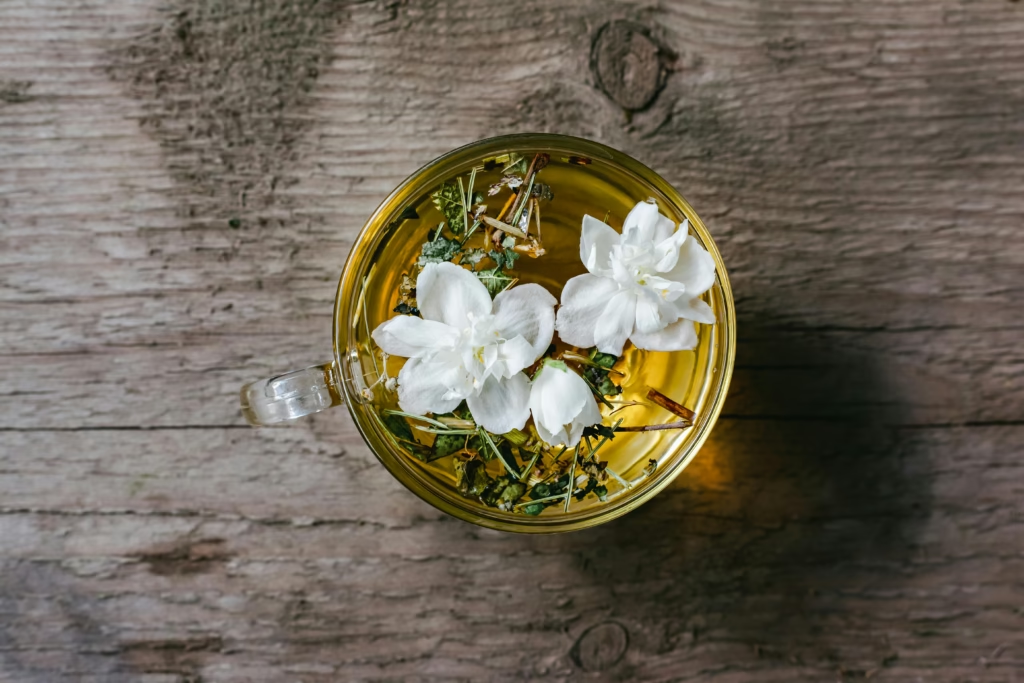
A Bloom Through History – The Story of Jasmine
Jasmine’s journey begins in the ancient world. Native to tropical and subtropical regions from the Himalayas to Southeast Asia, Jasminum officinale (common jasmine) and Jasminum sambac (Arabian jasmine) have been cultivated for over a thousand years.
- Ancient Roots: In traditional Chinese medicine, jasmine was valued for its cooling properties and its ability to soothe the liver—the organ associated with stress and anger according to TCM principles. It was often blended with green tea, a practice that began during the Ming Dynasty.
- Cultural Symbolism: Across Asia and the Middle East, jasmine became a symbol of purity, love, and spiritual hope. In India, it is sacred to the god Vishnu and the goddess Lakshmi, often used in religious ceremonies and wedding garlands. In Persia, the name “yasmin” means “gift from God.”
- The Journey West: The Moorish conquest of Spain introduced jasmine to Europe in the 1600s. It quickly became a favorite in the perfume capital, Grasse, France. The process of enflourage—capturing the flower’s fleeting scent in fat—was perfected here, paving the way for modern essential oil extraction.
This deep historical reverence points to an intuitive understanding of jasmine’s power—a power modern science is now beginning to quantify.
The Elixir in a Cup – Deep Dive into Jasmine Tea
Jasmine tea is not a plant itself, but a beautiful creation of scent artistry. Typically, a base of green tea (like Camellia sinensis) is layered with fresh jasmine blossoms, which impart their signature aroma and subtle flavor.
The Art of Scenting: How Jasmine Tea is Made
The highest quality jasmine teas are “scented” rather than simply flavored. This labor-intensive process involves:
- Harvesting tea leaves in spring and storing them until summer.
- Picking jasmine buds in the hot summer evenings, when their fragrance is most potent.
- Layering the tea leaves with the fresh blossoms overnight. The blossoms open, releasing their essential oils, which are absorbed by the tea leaves.
- Removing the spent flowers (for higher grades) and repeating the process multiple times (up to seven or nine times for premium “Yin Hao” teas).
Science-Backed Benefits of Jasmine Tea
- Rich in Protective Antioxidants: The green tea base is loaded with catechins like EGCG, while jasmine contributes its own unique antioxidants. These compounds combat oxidative stress and may reduce the risk of chronic diseases.
- Promotes Relaxation & Reduces Anxiety: The amino acid L-theanine, abundant in green tea, works synergistically with jasmine’s calming aroma. Studies show that simply inhaling the scent of jasmine tea can lower heart rate and induce a state of calm alertness.
- May Support Heart Health: Regular consumption of green tea is linked to improved cholesterol levels and blood flow. Jasmine tea carries these potential benefits in a gentler, more aromatic form.
- Aids Digestion: Jasmine has traditionally been used to soothe upset stomachs and improve digestion. A warm cup after a meal can be both a ritual and a remedy.
- Cognitive Boost: The combination of gentle caffeine from tea and the focusing effect of L-theanine and jasmine aroma can enhance brain function without the jitters associated with coffee.
How to Brew the Perfect Cup of Jasmine Tea
- Water Temperature: Use water well below boiling (about 160°F-175°F or 70°C-80°C) to avoid burning the delicate leaves and releasing bitterness.
- Steeping Time: Steep for 2-3 minutes. Over-steeping can make the tea astringent.
- Quantity: Use 1 teaspoon of loose-leaf tea per 8 oz cup.
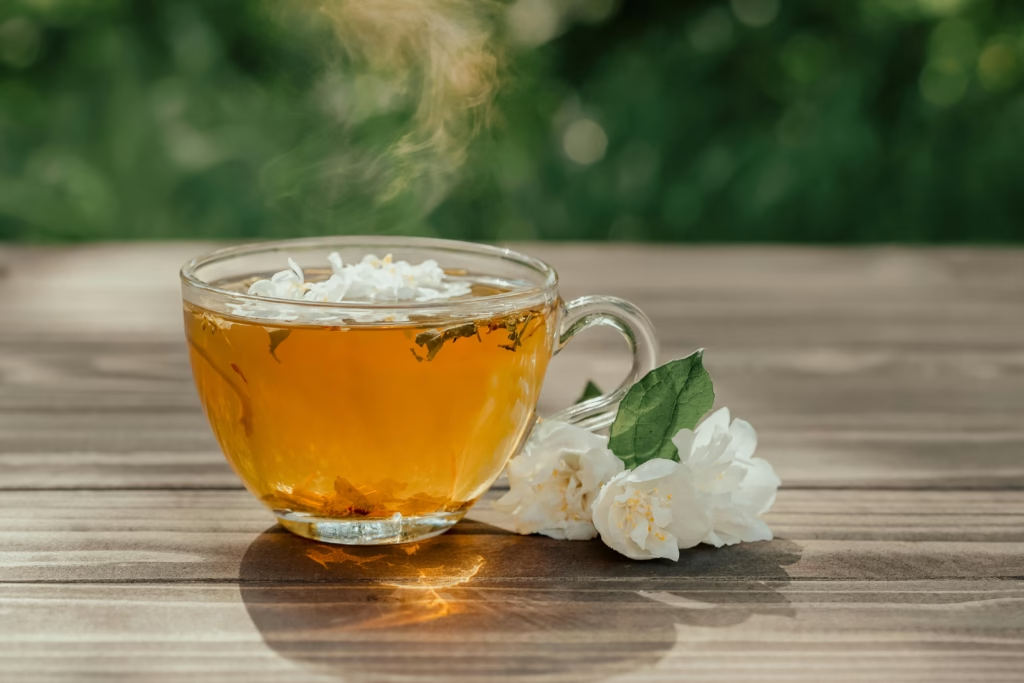
- Mindful Practice: Engage your senses. Watch the leaves unfurl, inhale the rising steam deeply, and savor each sip slowly. This transforms a simple drink into a meditative practice.
The Soul of the Flower – Understanding Jasmine Essential Oil
Jasmine essential oil is one of the most precious and expensive oils in the world. It takes approximately 8 million hand-picked blossoms (about 1,000 pounds) to produce just 1 pound of absolute—the concentrated, aromatic extract.
Extraction and Characteristics
Most jasmine oil is produced as an “absolute” through solvent extraction, as the delicate flowers are too fragile for steam distillation. The result is a deep, golden-red, viscous liquid with an intensely rich, floral, and slightly exotic scent that is deeply relaxing and emotionally warming.
Evidence-Based Benefits of Jasmine Essential Oil
- Powerful Mood Enhancer: Research, including a famous study from the Ruhr University in Germany, found that jasmine oil had a stimulating and invigorating effect on the nervous system, even outperforming coffee in increasing alertness. It’s a unique adaptogen for mood—uplifting yet calming.
- Natural Antidepressant: Its complex chemistry can help alleviate symptoms of depression and anxiety by promoting feelings of confidence, optimism, and warmth.
- Skin Rejuvenator: With natural antiseptic and anti-inflammatory properties, diluted jasmine oil can aid in treating dry, sensitive, or irritated skin. It may also help improve skin elasticity and the appearance of scars.
- Aphrodisiac Qualities: Its rich, intoxicating scent is renowned for reducing inhibitions, increasing sensuality, and fostering intimate connection.
- Respiratory Support: Used in a diffuser or steam inhalation, it can help clear congestion and ease coughs.
Safe and Effective Ways to Use Jasmine Oil
- Aromatherapy Diffusion: Add 3-5 drops to a diffuser to uplift the atmosphere of any room.
- Topical Application (DILUTED): Always dilute in a carrier oil (like jojoba or sweet almond) at 1-2% concentration (roughly 1-2 drops per teaspoon of carrier oil). Apply to wrists, temples, or over the heart.
- Personal Inhaler: Add a few drops to an aromatherapy inhaler stick for on-the-go emotional support.
- Skincare: Add one drop to your nightly moisturizer or a face serum for a luxurious boost.
- Bath Ritual: Mix 3-5 drops with 1 tablespoon of carrier oil or full-fat milk before adding to a warm bath for an immersive sensory experience.
The Synergy of Sip and Scent – Combining Tea and Oil for Holistic Rituals
The true magic happens when you combine the internal nourishment of the tea with the external, aromatic influence of the oil. Here are curated rituals for holistic well-being.
Ritual 1: The Ultimate De-Stress Evening
- Diffuse: 30 minutes before your ritual, start diffusing 3 drops of jasmine oil and 2 drops of sandalwood oil in your living space or bathroom.
- Brew: Prepare a cup of pure jasmine green tea using the mindful method described above.
- Apply: After a warm shower, massage a jasmine-infused body oil (diluted in unscented lotion or carrier oil) onto your skin.
- Synergize: Sit in the scented space, sip your tea slowly, and breathe deeply. The combined internal and external application creates a powerful feedback loop of calm.
Ritual 2: Creative Focus & Flow
- Inhale: Place one drop of jasmine oil on a cotton pad or your inhaler and take three deep breaths.
- Sip: Brew a cup of jasmine pearl tea. The gentle caffeine and L-theanine provide clarity.
- Diffuse: Keep the scent lightly present in your workspace with a diffuser to maintain an uplifted, focused state perfect for creative projects.
Ritual 3: Romantic Connection
- Share a pot of fragrant jasmine tea in delicate cups.
- Diffuse jasmine oil in the room to set an intimate mood.
- Add a single drop of jasmine oil to a tablespoon of carrier oil for a sensual shared hand or foot massage.
Frequently Asked Questions & Safety
Q: Can I ingest jasmine essential oil?
A: No. Jasmine essential oil is extremely concentrated and is not safe for internal use unless under the direct guidance of a qualified medical professional. Enjoy the internal benefits of jasmine through tea instead.
Q: Is jasmine tea safe during pregnancy?
A: Due to its caffeine content (from the tea base), it should be consumed in moderation. Consult your healthcare provider. Jasmine essential oil is generally not recommended in the first trimester.
Q: What’s the difference between jasmine tea and jasmine-scented tea?
A: True jasmine tea is scented with real flowers. Lower-quality “jasmine-flavored” tea may use artificial flavors. Always check the ingredients for “jasmine flowers” or “natural jasmine flavor.”
Q: Can jasmine oil be applied directly to the skin?
A: Never apply undiluted (“neat”) essential oils to the skin. Always dilute jasmine oil in a suitable carrier oil to prevent sensitization or irritation.
Embracing the Jasmine Way of Life
Jasmine teaches us that healing can be beautiful, sensory, and deeply intertwined with joy. Whether you find your solace in the steam rising from a porcelain cup or in the first deep breath of its exquisite essential oil, this ancient flower offers a pathway to balance.
We invite you to experiment. Start with a simple cup of high-quality loose-leaf jasmine tea. Notice how it makes you feel. Then, perhaps, introduce a small bottle of jasmine absolute into your self-care cabinet. Create your own rituals. The journey with jasmine is one of personal discovery—a gentle reminder that sometimes, the most profound wellness practices are also the most pleasurable.
This article is for informational purposes only and not intended as medical advice. Always consult your healthcare professional before making changes to your diet or using herbal remedies, especially if you are pregnant, nursing, or taking medication.