

Morning herbal drinks are an increasingly popular choice for people who want to start the day with natural energy without caffeine. Instead of relying on coffee or energy drinks, many are turning to herbs that gently support the body’s natural rhythms, helping them wake up feeling clear, balanced, and hydrated. This approach focuses on long-lasting vitality rather than short bursts of stimulation followed by crashes.
Unlike caffeine, which directly stimulates the nervous system, morning herbal drinks work by supporting digestion, circulation, hydration, and mental clarity. This creates a smoother transition from rest to activity, making them ideal for daily routines, especially for those sensitive to caffeine or looking to reduce dependency on stimulants.
Why Morning Herbal Drinks Are a Better Start to the Day
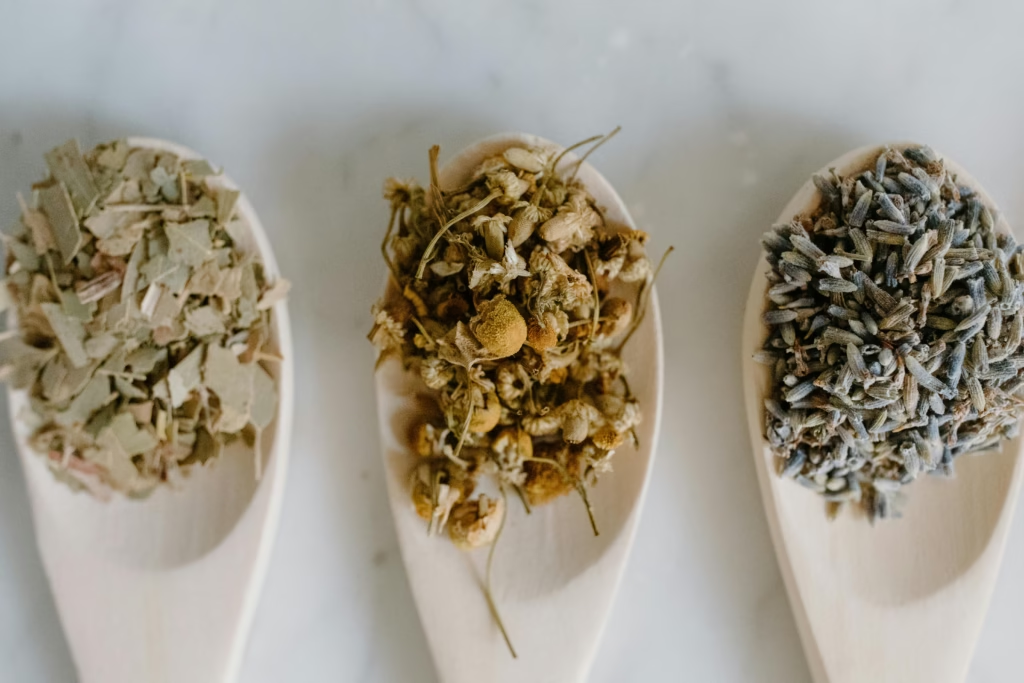
For many people, coffee has become an automatic habit rather than a conscious choice. While caffeine can provide a quick energy boost, it often comes with side effects such as jitteriness, anxiety, digestive discomfort, and energy crashes later in the day. Morning herbal drinks offer a different experience — one that prioritizes balance over stimulation.
Herbal drinks consumed in the morning help rehydrate the body after sleep, gently activate digestion, and encourage mental alertness without overwhelming the nervous system. This makes them especially suitable for people who wake up feeling heavy, anxious, or mentally foggy. Over time, replacing or alternating coffee with herbal drinks can lead to more stable energy levels and improved overall well-being.
How Morning Herbal Drinks Support Natural Energy
Natural energy is not created by force; it comes from harmony within the body. Morning herbal drinks support this process by working with multiple systems at once. Hydration plays a central role, as even mild dehydration can cause fatigue and lack of focus. Herbal infusions provide fluids while also delivering plant compounds that assist digestion and circulation.
Many herbs used in morning drinks also help reduce low-grade inflammation and support oxygen flow throughout the body. When digestion functions well and circulation improves, energy naturally follows. This explains why herbal drinks often feel grounding yet refreshing, rather than stimulating or overwhelming.
Ginger as a Morning Herbal Drink
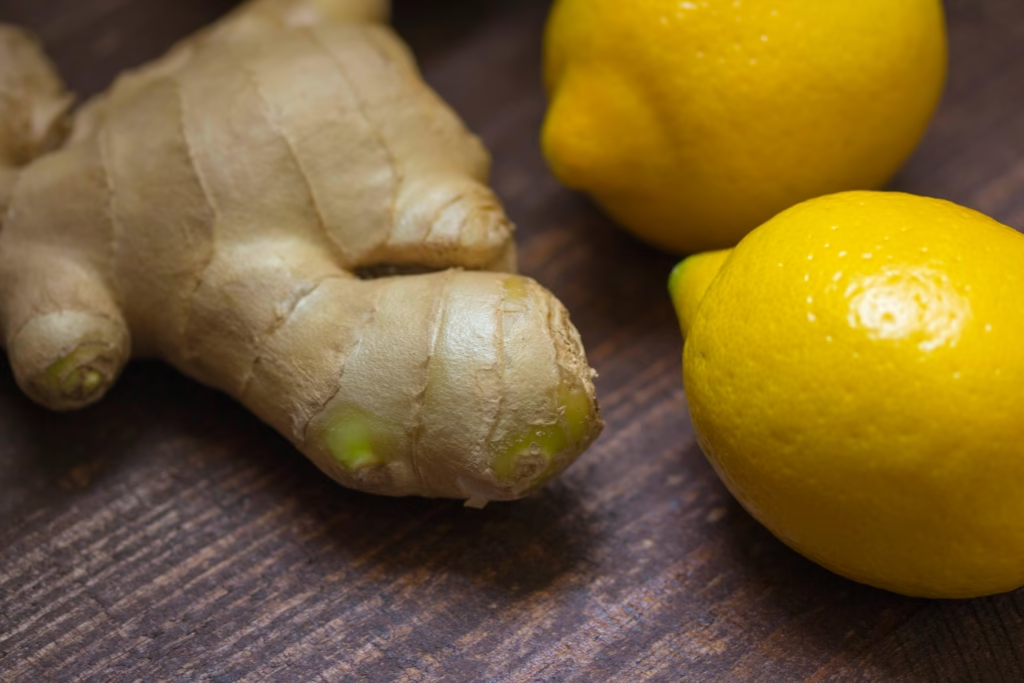
Ginger is one of the most effective herbs to include in morning herbal drinks when the goal is natural energy. Instead of stimulating the nervous system, ginger works by gently increasing circulation and activating digestion. This helps the body shift from rest to activity more smoothly, reducing morning sluggishness.
Its warming properties make ginger particularly useful for people who wake up feeling cold or heavy. A simple ginger infusion can create a sense of internal warmth that encourages alertness and movement. Many people also find that ginger supports mental clarity indirectly, as improved digestion and circulation often translate into better focus and sustained energy throughout the morning.
Lemon Balm for Calm and Clear Mornings
Lemon balm is often associated with relaxation, but it also plays an important role in morning routines. When stress or anxiety affects energy levels, lemon balm helps calm the nervous system without causing drowsiness. This makes it ideal for mornings when the mind feels busy or overwhelmed.
As part of morning herbal drinks, lemon balm promotes emotional balance and gentle mental clarity. Rather than pushing energy levels higher, it removes mental tension that can block focus. This creates a calm but alert state, which many people find more productive than caffeine-driven stimulation.
Peppermint for Freshness and Mental Alertness
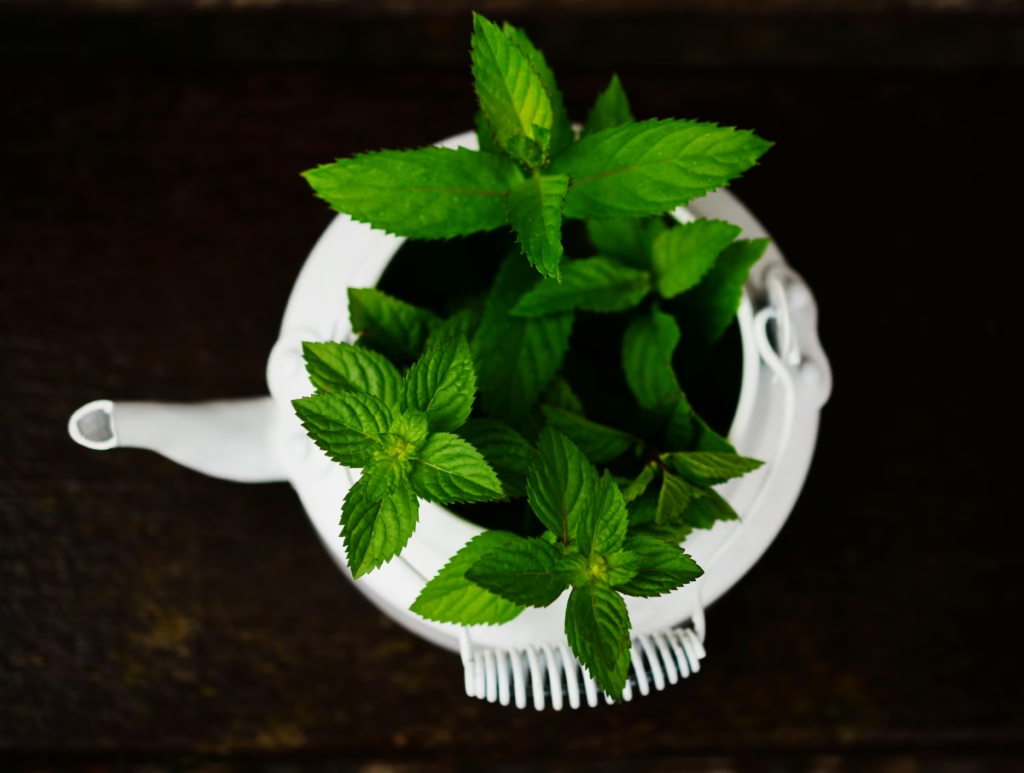
Peppermint is known for its refreshing aroma and cooling sensation, which makes it a popular choice for morning herbal drinks. Its scent alone can help signal wakefulness to the brain, while its digestive-supporting properties reduce bloating and discomfort that may cause fatigue.
Peppermint-based drinks are especially useful for people who experience brain fog or digestive heaviness in the morning. The combination of mental freshness and physical comfort often results in a noticeable improvement in alertness without overstimulation.
Rosemary for Focus and Mental Performance
Rosemary has long been associated with memory and concentration. As a morning herbal drink, it supports mental performance by encouraging circulation, particularly to the brain. This makes it a good choice for workdays, study sessions, or mornings that require sustained focus.
Rosemary’s flavor is slightly earthy and aromatic, offering a grounding experience that feels energizing without being aggressive. For those seeking clarity rather than stimulation, rosemary fits well into a caffeine-free morning routine.
Fennel for Digestive Comfort and Light Energy
Fennel is often overlooked as a morning herb, but it plays an important role in energy support by improving digestion. When the digestive system feels heavy or bloated, energy levels tend to drop. Fennel helps reduce gas and discomfort, allowing the body to feel lighter and more energized.
As part of morning herbal drinks, fennel provides a mild, slightly sweet flavor that is easy to drink early in the day. It works particularly well for people whose morning fatigue is linked to digestive issues rather than lack of sleep.
Choosing the Right Morning Herbal Drink for You
Selecting the best morning herbal drink depends on how you typically feel when you wake up. People who feel physically sluggish may benefit more from warming herbs like ginger or rosemary, while those who feel mentally overwhelmed may prefer lemon balm. Peppermint suits mornings that require freshness and clarity, while fennel supports those dealing with digestive discomfort.
Rotating herbs throughout the week is a simple way to maintain balance and prevent monotony. Herbal drinks are flexible and can easily adapt to changing needs.
Best Time and Way to Drink Herbal Beverages in the Morning
Morning herbal drinks are best consumed shortly after waking, ideally 15 to 30 minutes before breakfast or alongside a light meal. This timing allows the herbs to activate digestion and hydration early, setting a positive tone for the rest of the day.
Drinking slowly and mindfully enhances the benefits, turning the habit into a calming morning ritual rather than a rushed routine.
Combining Herbs for Morning Herbal Drinks
Herbs can be combined safely when kept simple. Blending two or three complementary herbs often enhances flavor and effectiveness. Ginger and lemon balm balance warmth and calm, while peppermint and fennel support digestion and freshness. Rosemary pairs well with citrus peels for added aroma.
Simple combinations work best for daily use and reduce the risk of overloading the body with too many active compounds.
Morning Herbal Drinks and Hydration
Hydration is one of the most important factors in morning energy. Herbal drinks provide fluids without the dehydrating effects associated with caffeine. By starting the day well-hydrated, the body naturally feels more awake and resilient.
This is one of the main reasons many people experience improved energy after replacing coffee with herbal drinks in the morning.
Who Should Use Caution
While morning herbal drinks are generally safe, caution is advised for pregnant or nursing individuals, people taking medication, or those with specific health conditions. Starting with mild infusions and observing how the body responds is always recommended.
Making Morning Herbal Drinks a Sustainable Habit
Consistency matters more than complexity. Keeping herbs accessible, preparing them the night before, or using loose-leaf blends can make the habit easy to maintain. Over time, morning herbal drinks often become a grounding ritual that supports both physical and mental well-being.
Further Reading (External Source)
Disclaimer
This article is for informational purposes only and not intended as medical advice. Always consult your healthcare professional before making changes to your diet or using herbal remedies, especially if you are pregnant, nursing, or taking medication.