
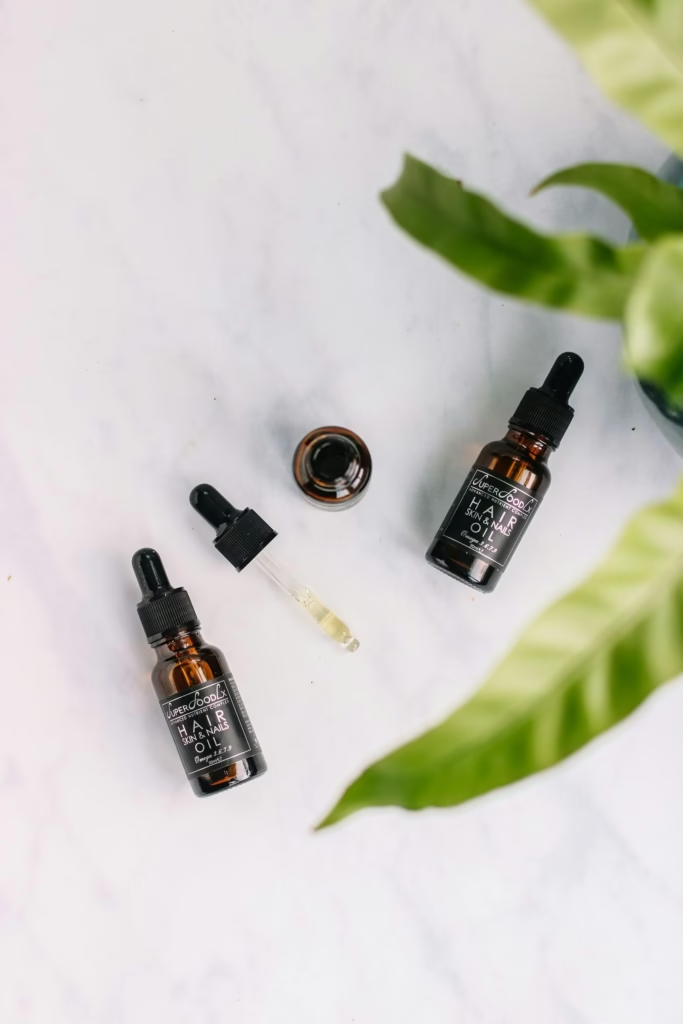
Lemon balm essential oil has become one of the most talked-about natural remedies for mood balance and stress relief. With its gentle citrus-herbal aroma, this essential oil is widely used in aromatherapy to promote calmness, emotional well-being, and relaxation. As more people look for natural ways to unwind, lemon balm oil stands out as a powerful yet soothing option, ideal for diffusing, topical application (with dilution), and even lifestyle rituals designed to reduce daily tension.
Lemon balm (Melissa officinalis) has been valued since ancient times. Early herbalists called it the “elixir of life” and used it for restlessness, nervousness, and emotional fatigue. Today, it remains popular among individuals seeking natural mood support — without the intensity of synthetic fragrances or the overstimulation of caffeinated products.
In this comprehensive guide, you’ll learn how lemon balm essential oil works, its science-backed benefits, the best ways to use it, safety considerations, and practical tips to integrate it into your daily self-care routine.
What Is Lemon Balm Essential Oil?
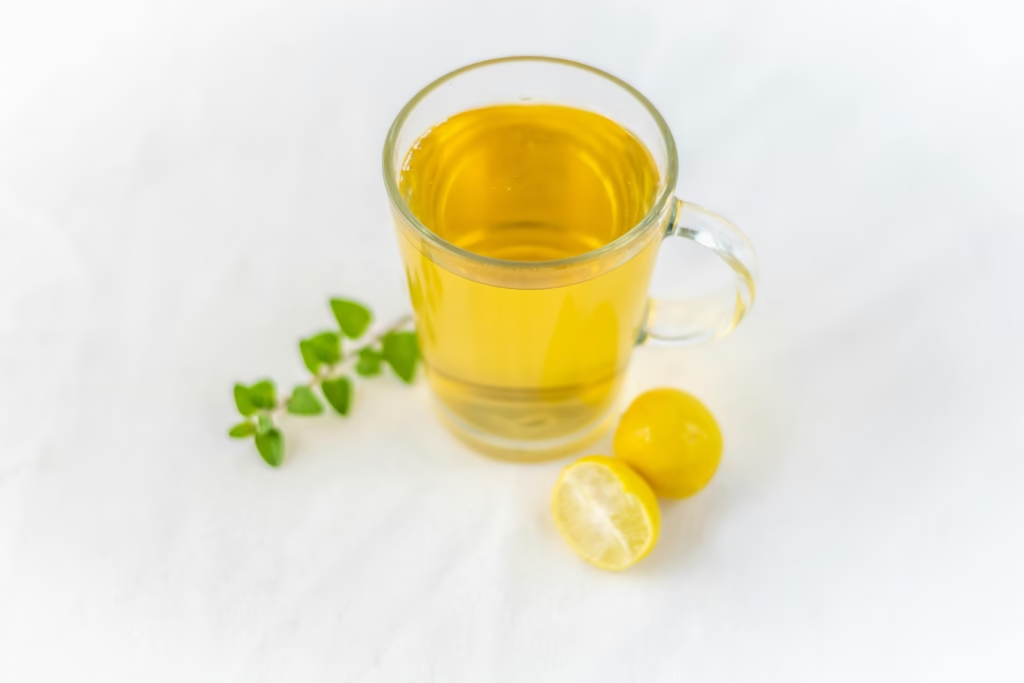
Lemon balm essential oil is a highly concentrated extract obtained from the leaves of the Melissa officinalis plant. Often called Melissa oil, it is prized for its calming properties and fresh aroma reminiscent of lemon, mint, and gentle herbs.
The oil is usually extracted through steam distillation, requiring a large amount of plant material. This is why pure lemon balm essential oil tends to be more expensive than many other essential oils — but also why it is so highly valued in aromatherapy.
Lemon balm essential oil contains powerful active compounds, including:
- Citral
- Geranial
- Neral
- Citronellal
- Rosmarinic acid (trace)
These compounds are known for their calming, uplifting, and soothing effects, making lemon balm essential oil popular for stress, emotional tension, and overall relaxation.
Key Benefits of Lemon Balm Essential Oil
1. Natural Mood Support
Lemon balm essential oil is widely used to uplift the mood without overstimulation. Its bright yet gentle scent can help shift the mind away from anxious thoughts and create a more positive emotional state.
Research suggests that compounds like citral may support the nervous system, promoting relaxation and emotional balance.
How it helps:
- Supports a stable mood
- Eases emotional tension
- Encourages a peaceful mental state
- Helps reduce feelings of irritability
It’s an excellent choice for diffusing during stressful workdays, before social events, or after mentally challenging moments.
2. Stress Relief and Nervous System Support
Lemon balm essential oil is one of the most popular natural tools for reducing stress levels. Its aroma influences the limbic system — the part of the brain that controls emotions — helping to slow racing thoughts and reduce the feeling of being overwhelmed.
Benefits include:
- Reduced stress and nervous tension
- Better emotional resilience
- A calmer mind before sleep
- Relaxation during meditation or yoga
For many people, just a few minutes of inhalation can create a noticeable sense of ease.
3. Improved Sleep Quality
Lemon balm has long been associated with better sleep, and the essential oil offers similar benefits. Its gentle sedative properties help calm the mind, making it useful before bedtime.
What it may help with:
- Difficulty falling asleep
- Restless thoughts at night
- Light sleep due to emotional tension
Try diffusing it 30 minutes before bed or applying a diluted blend on the wrists or neck.
4. Mental Clarity and Focus
Though known for relaxation, lemon balm essential oil can also improve mental clarity. By reducing stress and emotional clutter, it becomes easier to focus and think more clearly.
Great for:
- Work or study sessions
- Creative projects
- Early morning routines
Its aroma provides a refreshing but not stimulating effect, making it ideal for those sensitive to strong essential oils.
5. Skin-Soothing Properties
Lemon balm essential oil has gentle skin-calming properties, especially when used in body oils or creams. Thanks to its anti-inflammatory and soothing components, it may help with:
- Redness
- Mild irritation
- Tension in facial muscles (aromatherapy effect)
- Relaxing massages
Always dilute with a carrier oil — this essential oil is potent.
How to Use Lemon Balm Essential Oil Effectively
1. Aromatherapy Diffusion
One of the safest and most effective ways to experience lemon balm essential oil is by diffusing it.
How to use:
- Add 3–5 drops to a diffuser
- Run for 20–30 minutes
- Use during mornings for clarity, or evenings for relaxation
Best diffuser blends:
- Lemon balm + lavender (for sleep)
- Lemon balm + bergamot (for mood)
- Lemon balm + frankincense (for calm focus)
2. Topical Application (Always Diluted)
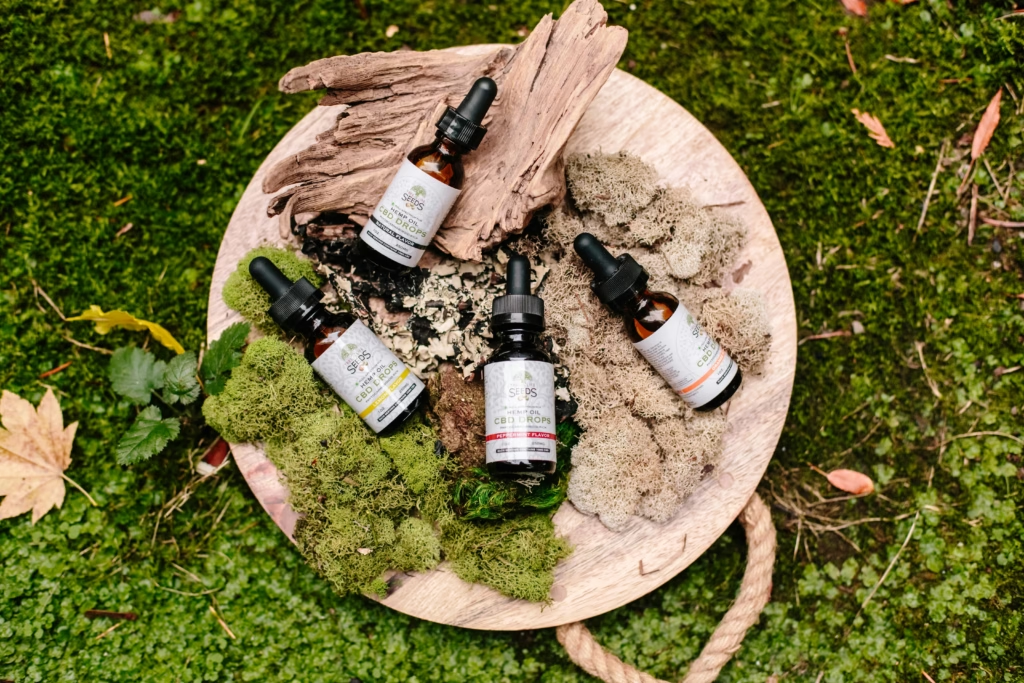
Lemon balm essential oil should never be applied directly to the skin. Proper dilution is essential to avoid irritation.
Basic dilution:
- 1–2 drops lemon balm essential oil
- 1 tablespoon (15 ml) of carrier oil
(such as jojoba, sweet almond, or coconut oil)
Use it for:
- Neck and shoulder massage
- Relaxing wrist application
- Evening self-care routines
- Tension in the jaw or temples (avoid near eyes)
3. Bath Aromatherapy
A warm bath with lemon balm oil is an effective way to unwind.
Steps:
- Mix 3–4 drops of the oil with a carrier oil.
- Add to bath water.
- Soak for at least 15 minutes.
Never place essential oils directly in the water without dilution to avoid skin irritation.
4. Inhalation for Immediate Calm
Quick method:
- Place 1 drop on a cotton pad or tissue.
- Hold near the nose.
- Inhale deeply for 30–60 seconds.
This is great for sudden stress or emotional overload.
5. Room Spray or Linen Mist
Make a calming spray for home or bedtime routines.
Recipe:
- 100 ml distilled water
- 1 teaspoon witch hazel
- 6–8 drops lemon balm essential oil
Spray lightly on pillows, curtains, or workspace.
Safety Tips and Precautions
Lemon balm essential oil is potent and should be used with care. Keep the following in mind:
1. Always dilute before applying to skin
Undiluted essential oils can cause irritation, especially lemon balm which is naturally strong.
2. Avoid use during pregnancy unless approved by a doctor
Some essential oils may not be appropriate during pregnancy.
3. Keep away from eyes, mouth, and sensitive skin
If irritation occurs, apply more carrier oil — never water.
4. Store out of children’s reach
Essential oils should be stored safely to prevent accidental ingestion.
5. Consult a healthcare professional if you have medical conditions
Especially if you use medications for:
- Anxiety
- Thyroid conditions
- Sleep disorders
6. Not for ingestion
Pure essential oils should not be consumed without medical supervision.
Best Complementary Oils to Blend With Lemon Balm
Lemon balm pairs well with other calming and uplifting oils, creating powerful aromatherapy blends.
Top pairings:
- Lavender – for deeper relaxation
- Bergamot – for mood enhancement
- Ylang-ylang – for emotional comfort
- Frankincense – for grounding
- Sweet orange – for a cheerful aroma
These blends are excellent for diffusers, bath rituals, or evening wind-downs.
Is Lemon Balm Essential Oil Right for You?
If you’re looking for a natural tool to support emotional well-being, reduce stress, and promote gentle relaxation, lemon balm essential oil is an excellent option. It offers one of the softest and most comforting aromatherapy experiences, making it suitable for beginners and experienced users alike.
Because of its soothing scent and scientifically studied calming effects, lemon balm oil is ideal for people who want a natural way to unwind after long days, improve sleep preparation routines, and cultivate a more peaceful mindset.
Its versatility means you can incorporate it into morning rituals, work hours, meditation, bath time, and nightly relaxation. With proper dilution and safety practices, lemon balm essential oil can become a helpful ally in your daily wellness routine.
As interest in natural mood-supporting products grows, lemon balm essential oil remains a timeless herbal favorite — gentle, aromatic, and emotionally grounding.
Further Reading
How to Make Homemade Lemon Balm Oil
Disclaimer
This article is for informational purposes only and not intended as medical advice. Always consult your healthcare professional before making changes to your diet or using herbal remedies, especially if you are pregnant, nursing, or taking medication.