
Elderflower tea is one of those timeless herbal remedies that feels both traditional and surprisingly modern. Known for its delicate floral flavor and gentle aroma, this tea has been used for centuries to support overall health, soothe seasonal discomfort, and promote relaxation. Today, it remains a popular choice for those seeking natural wellness alternatives, thanks to its rich antioxidant profile and calming properties. Whether you’re curious about its benefits or simply want to enjoy a new herbal infusion, elderflower tea is an excellent option to explore.
This guide goes through everything you need to know — from its nutritional strengths and practical uses to a step-by-step brewing method that ensures a perfect cup every time.
What Is Elderflower Tea?
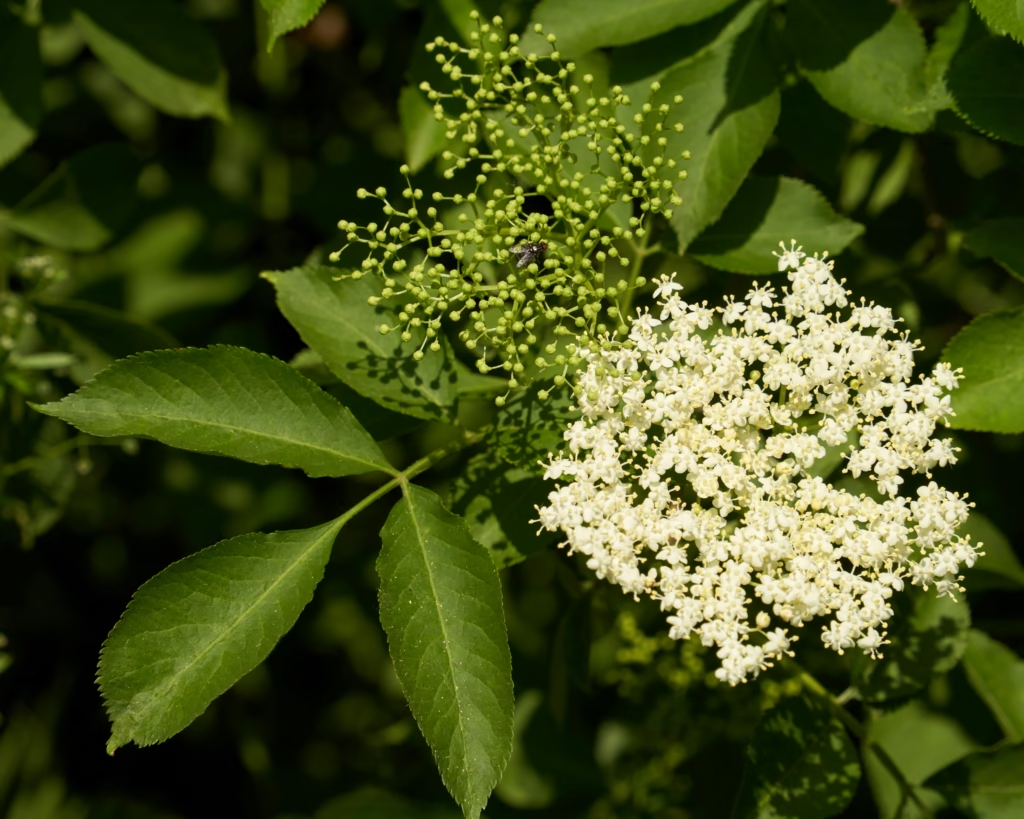
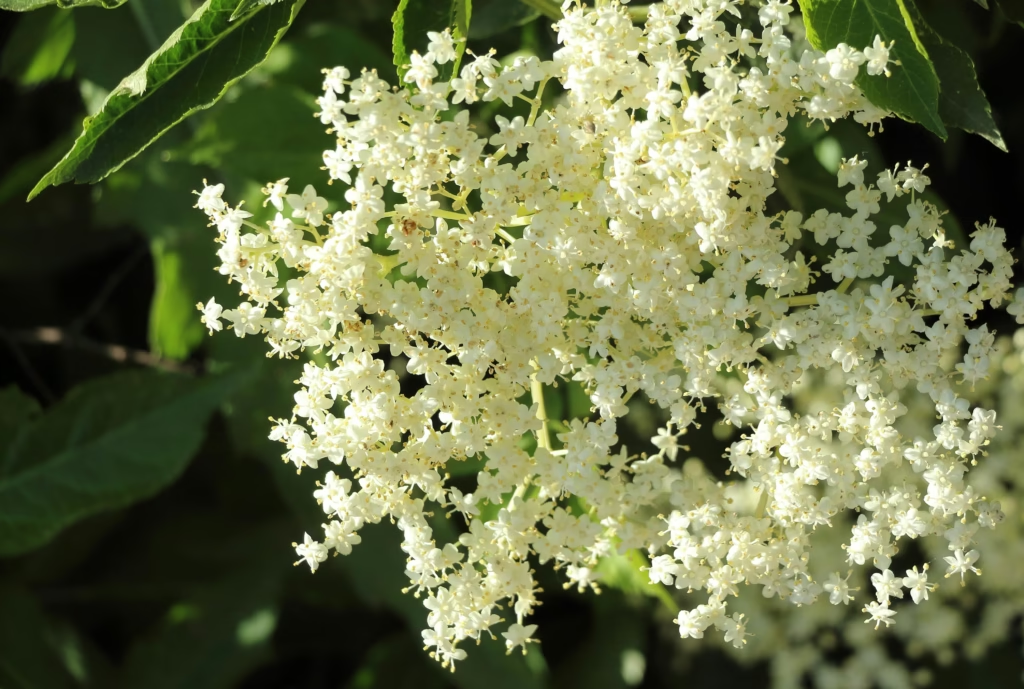
Image suggestion: Add a close-up photo of elderflowers growing on a tree.
Elderflower tea is made from the blossoms of the elder tree (Sambucus nigra), a plant widely known for its medicinal use in European and North American herbal traditions. The flowers are usually dried and then steeped in hot water to release their active compounds. Elderflowers have long been associated with soothing seasonal ailments, but they are also enjoyed simply for their refreshing taste — sweet, floral, and slightly fruity.
Key Health Benefits of Elderflower Tea
Elderflower tea provides a range of wellness benefits thanks to its vitamins, antioxidants, and natural plant compounds. Below, each benefit is described in a more fluid, continuous text style while maintaining clarity for SEO.
Elderflower tea is commonly appreciated for its ability to support the immune system. Its naturally occurring antioxidants — including flavonoids and phenolic acids — help your body respond better to seasonal changes and environmental stress. These compounds may reduce inflammation and provide a gentle protective effect that contributes to overall immune balance. Many people drink it during colder months or allergy season because its light, soothing nature can help make breathing feel easier and more comfortable.
Another well-known advantage is its digestive support. Elderflowers have mild carminative properties, meaning they can help relax the gastrointestinal tract and reduce bloating or mild discomfort. Drinking the tea after meals can support more comfortable digestion and provide a calming sensation, especially on days when your stomach feels unsettled.
Elderflower tea can also offer gentle relaxation. The floral aroma alone has a calming quality, but elderflowers themselves contain plant compounds that encourage stress relief and mental ease. Many prefer this tea in the evening because it provides a peaceful moment without causing drowsiness. Combined with its pleasant flavor, it becomes a great ritual for unwinding at the end of the day.
Some people explore elderflower tea for natural detox support because elderflowers may promote mild diuretic effects, helping the body eliminate excess fluid. While this is not a dramatic effect, it can contribute to a sense of lightness and internal balance. Others appreciate elderflower tea for its potential skin benefits, as herbal traditions often associate it with clearer, brighter skin thanks to its antioxidant profile.
Even though research on elderflower tea specifically is still growing, many of its potential effects are linked to the well-documented properties of the plant itself, which has been used for centuries across various cultures.
Traditional and Modern Uses
Elderflower has a long history in natural medicine. Traditionally, it was used in teas, syrups, and tinctures to help with seasonal discomforts like runny noses and mild fevers. Today, you’ll find elderflower in herbal blends, culinary recipes, cocktails, and skincare products. Its pleasant taste and versatility make it popular well beyond its medicinal roots.
Here’s how people commonly use elderflower tea today:
– As a calming daily beverage
– During allergy season for gentle support
– After meals for digestive comfort
– As part of a natural wellness routine
– To enjoy a refreshing, fragrant drink without caffeine
How to Brew Elderflower Tea Properly
A good cup of elderflower tea depends on temperature, steeping time, and flower quality. Here is the simplest way to prepare it while preserving its delicate flavor.
Ingredients:
– 1–2 teaspoons of dried elderflowers
– 1 cup of hot water (around 90–95°C / 194–203°F)
– Honey or lemon (optional)
Instructions:
- Heat your water until it is almost boiling but not fully bubbling.
- Place the dried elderflowers into a tea infuser or directly into your cup.
- Pour the hot water over the flowers and let them steep for 8–10 minutes.
- Strain the tea if needed, then sweeten lightly or enjoy plain.
For a stronger taste, you can allow the flowers to steep for a few additional minutes, but avoid brewing too long to prevent bitterness.
Safety and Considerations
Most people can enjoy elderflower tea without issues, but it’s always wise to be aware of potential considerations. If you are pregnant, breastfeeding, or taking any medication, consult a healthcare professional before adding new herbal teas to your routine. Also, ensure you are using elderflowers only — other parts of the elder plant (like leaves or raw berries) can be toxic when consumed improperly.
FAQs
Can I drink elderflower tea every day?
Yes, elderflower tea is generally gentle enough for daily consumption, but like any herbal beverage, moderation is best.
Does elderflower tea have caffeine?
No — it is naturally caffeine-free, making it great for evenings.
Can I mix elderflower with other herbs?
Absolutely. Elderflower pairs well with chamomile, lemon balm, peppermint, and hibiscus.
Does elderflower tea help with colds?
It may offer gentle relief thanks to its antioxidants and soothing properties, but it should not replace medical treatments.
Further Reading
– Healthline – Elderberry vs Elderflower Guide
Elderflower tea combines tradition, flavor, and wellness in a way that makes it truly timeless. Its gentle benefits, calming aroma, and versatility make it a perfect choice for both daily enjoyment and seasonal support. Whether you’re exploring herbal teas for the first time or expanding your routine, a warm cup of elderflower infusion offers a soothing and refreshing experience that fits naturally into any lifestyle.
This article is for informational purposes only and not intended as medical advice. Always consult your healthcare professional before making changes to your diet or using herbal remedies, especially if you are pregnant, nursing, or taking medication.